Pantheism vs Paganism
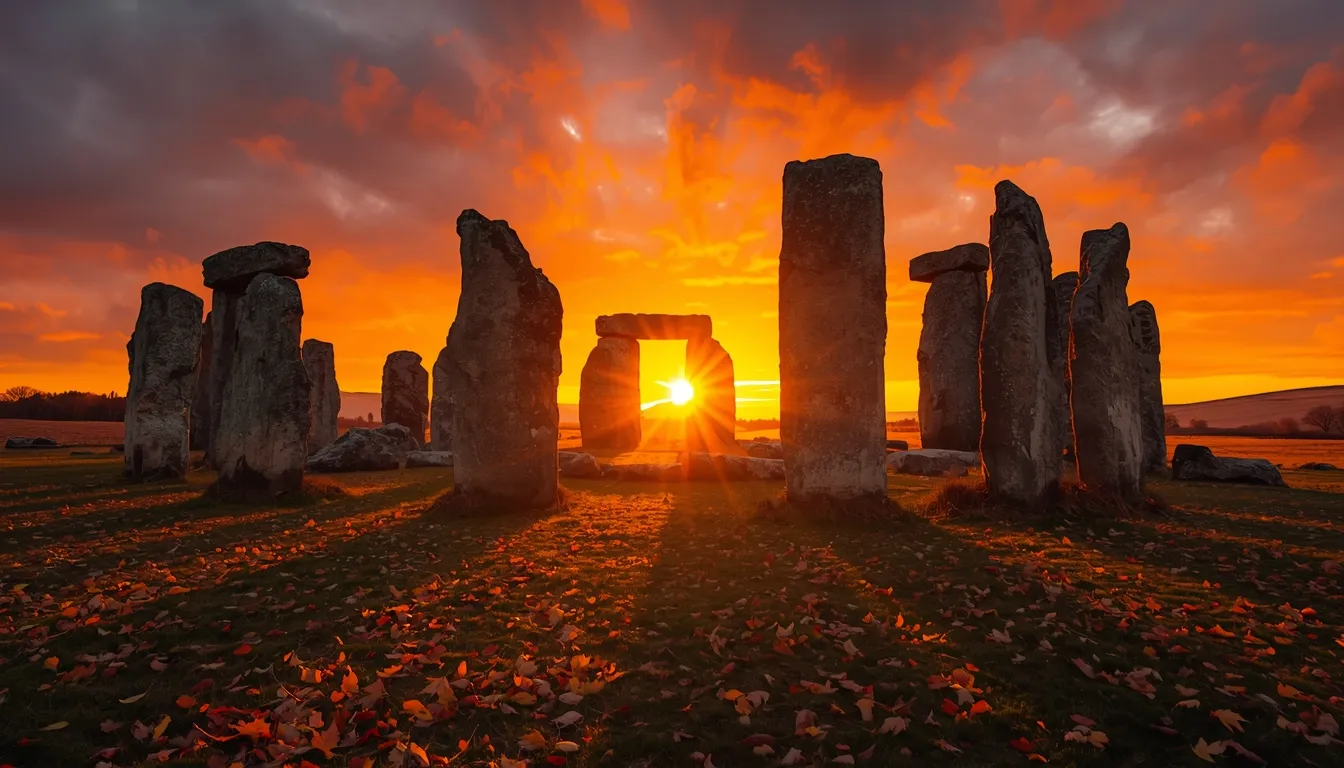
Pagans light the fire at the solstice. Pantheists show up for the same sunset and skip the invocation.
Modern paganism is a broad tent: Wicca, Druidry, Heathenry, Hellenic and Kemetic reconstruction, eclectic witchcraft, and a great deal that resists labels. What holds it together is reverence for nature, a calendar built on the seasons, ritual practice, and, usually, gods: a Goddess and God in Wicca, the Norse pantheon in Heathenry, whatever the tradition draws on. It is the fastest-growing religious identity in several Western countries.
Pantheism shares the reverence and the seasons and stops there. No gods, no spells, no coven, no initiation. Just the universe, taken as sacred, and whatever practice a person builds around that on their own. Where paganism is a religion, or a cluster of them, pantheism is a philosophical stance that people sometimes wear like a religion.
The overlap is large enough that a great many pagans, asked what they actually believe about the gods, give a pantheist answer: the gods are faces of one sacred nature. And a fair number of pantheists, asked what they actually do, describe something that looks like pagan practice with the theology removed. The two movements are cousins who keep ending up at the same bonfire.
What they share
- ✓Nature is sacred and the divine is found in it, not above it
- ✓The cycle of the seasons matters: solstices, equinoxes, the turning year
- ✓Rejection of a single transcendent creator who judges from outside
- ✓Both grew as alternatives to the dominant monotheisms of the West
- ✓Ecological ethics: the earth is not ours to use up
- ✓Both count Spinoza, the Romantics and the Transcendentalists among their ancestors
Where they part ways
Gods
Most pagan traditions have them: a Goddess and Horned God, or Odin and Freyja, or the Greek Olympians, or an eclectic mix. Pagans differ on whether these are literal beings, archetypes, or faces of one divine reality. Pantheism has no gods at all, not even as symbols it insists on. The sacred is the universe, and it does not wear masks.
Ritual and magic
Paganism is a practising religion. Circles are cast, elements called, spells worked, festivals celebrated with specific forms. Many pagans practise magic in some sense, whether as psychological technique or as literal influence on the world. Pantheism has none of this built in. A pantheist may mark the solstice, but there is no correct way to do it, and no belief that doing it changes anything except the person doing it.
Community and initiation
Much of paganism is organised: covens, groves, kindreds, degrees of initiation, teachers and lineages. Pantheism is almost entirely solitary. There are small pantheist societies, mostly online, but there is nothing to join and no one to initiate you. Pagans have a religion. Pantheists have a view.
The supernatural
Paganism is generally comfortable with the supernatural: spirits, deities who respond, energy that can be raised and directed, divination that reveals. Naturalistic pantheism is not. Nature is all there is, and it works by the laws physics describes. Pantheists can find pagan ritual beautiful and even join in. They do not think it does anything the universe would not have done anyway.
Personal or impersonal
The pagan sacred tends to be personal: gods you can address, land spirits you can thank, a Goddess who knows you. The pantheist sacred is impersonal. The universe does not know your name. For some people this is the deal-breaker in one direction; for others, in the other.
Side by side
| Question | Pantheism | Paganism |
|---|---|---|
| Gods | None | Usually yes: one, two or many, understood variously |
| Is nature sacred? | Yes: nature is the sacred | Yes: nature is where the sacred lives |
| Ritual | Optional, informal, self-made | Central and structured |
| Magic | No | Often, in some form |
| Community | Rare; mostly solitary | Covens, groves, festivals, lineages |
| Supernatural | None | Generally accepted |
| Seasonal calendar | Often observed informally | The Wheel of the Year: eight festivals |
| Type of thing | A philosophical stance | A family of religions |
The pantheist inside the pagan
Ask a room of pagans what the gods are and you will get a spectrum. Some are hard polytheists: the gods are real, distinct, conscious beings. Some are archetypalists: the gods are patterns in the human psyche, useful and powerful but not out there. And a large group, possibly the largest, will say something like: all the gods are faces of one divine reality, which is nature, which is everything. That last answer is pantheism. The rest of paganism, for that person, is the practice layered on top of it.
This is not an accusation. It is one of the oldest positions in paganism itself. Wicca's founding texts describe the Goddess as the soul of nature and all gods as one God. Many Druid orders are explicitly pantheist or panentheist. Emerson and the Romantics, who fed both movements, were pantheists first. Paganism, especially in its eclectic modern forms, is often pantheism that decided it wanted a costume and a calendar. That is a legitimate decision. Reverence wants a shape, and paganism offers beautiful shapes.
What pantheism offers in return is permission to skip the parts you cannot believe. Plenty of people are drawn to pagan festivals and imagery but cannot bring themselves to invoke deities they think are metaphors, or cast spells they think are theatre. For them, pantheism is the pagan feeling with the honest theology: the sacred is the turning earth itself, and you can mark the solstice because the solstice is real without needing anyone to hear you do it.
Where the two genuinely clash is on the supernatural. A pantheist who believes nature is all there is cannot also believe in spirits who respond to ritual, or magic that bends events. Some pagans hold the same naturalistic line and practise ritual purely for its effect on themselves; they are pantheists with drums, and welcome. Others believe the magic works, and at that point they and the pantheist part company, politely, at the edge of the circle.
Which one sounds like you?
Paganism fits if you want a religion: gods to address, a community to practise with, festivals with forms, and a tradition that gives your reverence structure. If ritual moves you and you are comfortable with some mystery about what it does, this is a living path with a great deal to offer.
Pantheism fits if you want the reverence and the seasons but cannot honestly invoke a deity, if you prefer to build your own practice, and if the universe as it stands already feels like enough without spirits or spells. Many pantheists wander happily into pagan gatherings. They just do not close their eyes during the invocation.
Questions people ask
Is paganism pantheistic? +
Sometimes. Paganism is a family of religions with varied theology. Many pagans, especially in Wicca and Druidry, understand the gods as faces of one sacred nature, which is a pantheist or panentheist view. Others are hard polytheists who believe in distinct deities and are not pantheist. Paganism as a whole contains pantheism without being reducible to it.
Can you be a pagan and a pantheist? +
Yes, and many people are. "Pantheist pagan" describes someone who takes part in pagan practice and community while understanding the divine as one sacred nature rather than as literal separate gods. The practice is pagan; the theology is pantheist. Most eclectic pagan communities have members who fit this description.
What is the difference between Wicca and pantheism? +
Wicca is an initiatory religion with a Goddess and God, ritual structure, ethical rules (the Rede), and usually magic. Pantheism is a philosophical stance with no deities, ritual or rules: the universe is sacred and that is the whole of it. Many Wiccans hold pantheist theology underneath their practice; pantheism itself has no practice you must follow.
Do pantheists celebrate the solstices? +
Many do, informally. The solstices and equinoxes are real astronomical events, so marking them fits pantheism naturally: you are noticing the actual turning of the actual earth. There is no required ritual. Some pantheists watch the sunrise, some gather with friends, some borrow pagan forms without the invocations.