The Basics
What is Pantheism?
It's the idea that "God" and "the universe" mean the same thing. No guy in the sky - just the amazing cosmos we're all part of.
One Simple, Profound Concept
"All is God"
Instead of a creator separate from creation, pantheists see the universe itself as divine. There's no supernatural realm - the natural world is sacred enough.
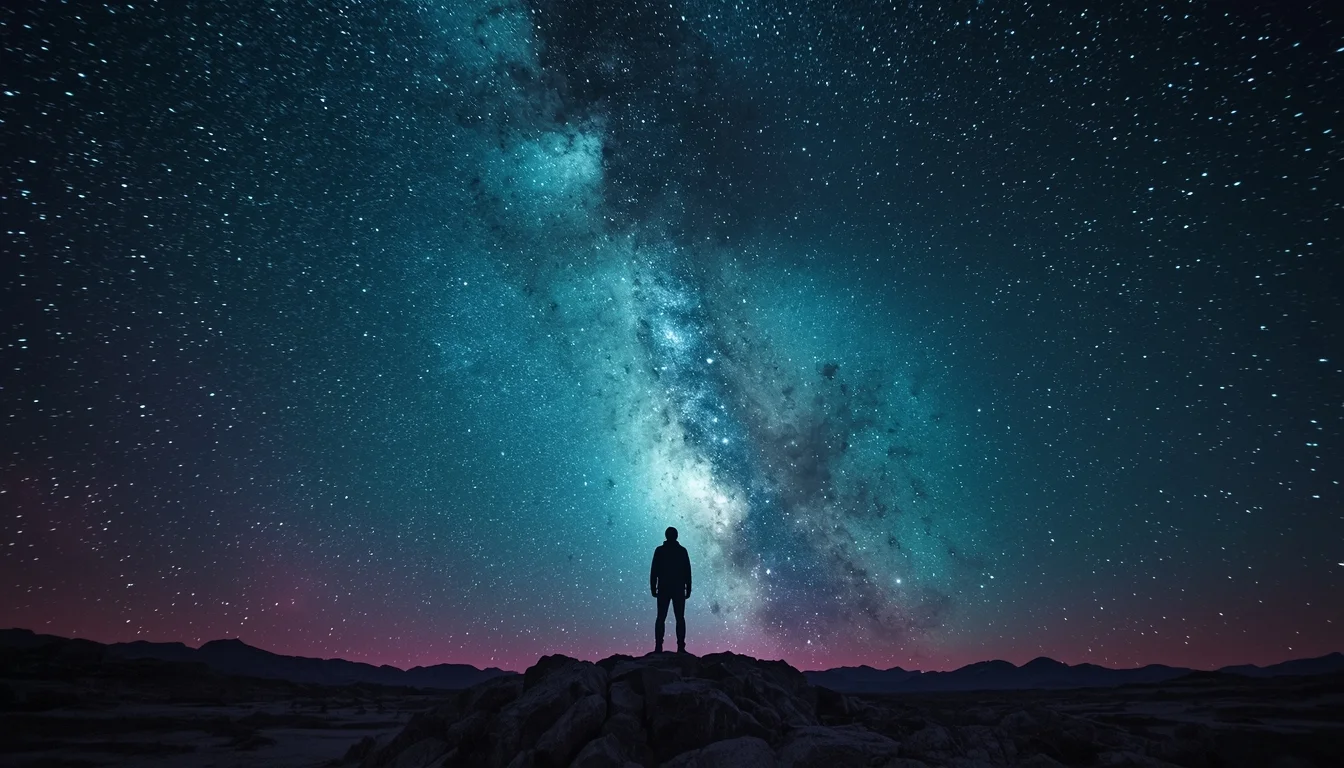
"The universe is not something separate from you - you are it, experiencing itself."
What Do Pantheists Believe?
There's no holy book or official rules. But most pantheists share these ideas:
The universe IS "God"
Not a person. Not a mind. Just everything that exists - the whole cosmic show.
Nature is sacred
That feeling of awe in a forest or watching a sunset? That's it. That's the point.
Science is welcome
Learning how the universe works makes it more amazing, not less.
You're part of it
You're not separate from the divine - you're an expression of it. Made of stardust.
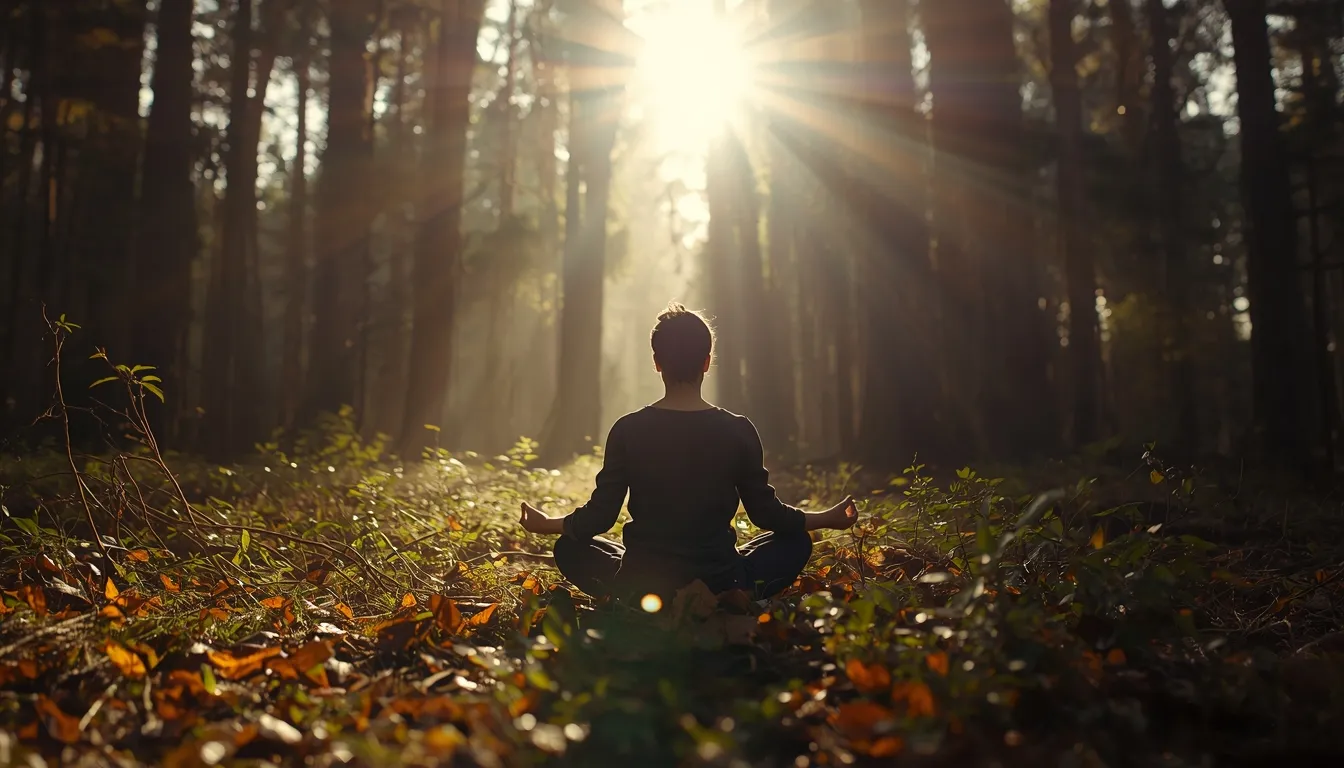
How Pantheism Feels
Pantheism isn't just an idea - it's a way of experiencing the world.
Deep Belonging
You're not a stranger in a strange land. You're the universe experiencing itself. You belong here because you ARE here.
Everyday Awe
A sunset, a heartbeat, a raindrop - these aren't mundane. They're expressions of the same cosmic process that made galaxies.
Present-Moment Focus
No afterlife to wait for. No past sins to atone for. Just this moment, this breath, this experience - fully alive.
Universal Connection
Every person, animal, plant, and star is made of the same stuff. We're all expressions of one reality.
"I felt my heart expand to include the whole universe. Not as a metaphor - as a direct experience of what I actually am."
Why People Choose Pantheism
In a world where traditional religion feels outdated but pure materialism feels empty, pantheism offers a third way.
No Contradictions
Fully compatible with science. No miracles, no supernatural claims to defend.
Real Meaning
Not cold materialism. The universe is sacred, and so are you.
Focus on Now
No afterlife to wait for. This life, this moment, is what matters.
Environmental Ethics
When nature is sacred, protecting it becomes a moral imperative - not just practical advice.
Universal Belonging
No "chosen people." Everyone and everything is equally part of the divine whole.
Pantheism bridges the gap between scientific understanding and spiritual experience.
Pantheism vs Other Worldviews
Where does pantheism fit? Here's how it compares to other perspectives.
| Belief | God? | Supernatural? |
|---|---|---|
| Pantheism | Yes - the universe itself | No |
| Theism | Yes - separate creator | Yes |
| Atheism | No | No |
| Panentheism | Yes - exceeds universe | Yes |
| Deism | Yes - uninvolved | Initially |
What Pantheism Is NOT:
Not atheism
We use "God" and mean it - the universe IS divine.
Not traditional religion
No personal God listening to prayers. No heaven or hell.
Not nature worship
Deep appreciation and reverence for reality itself.
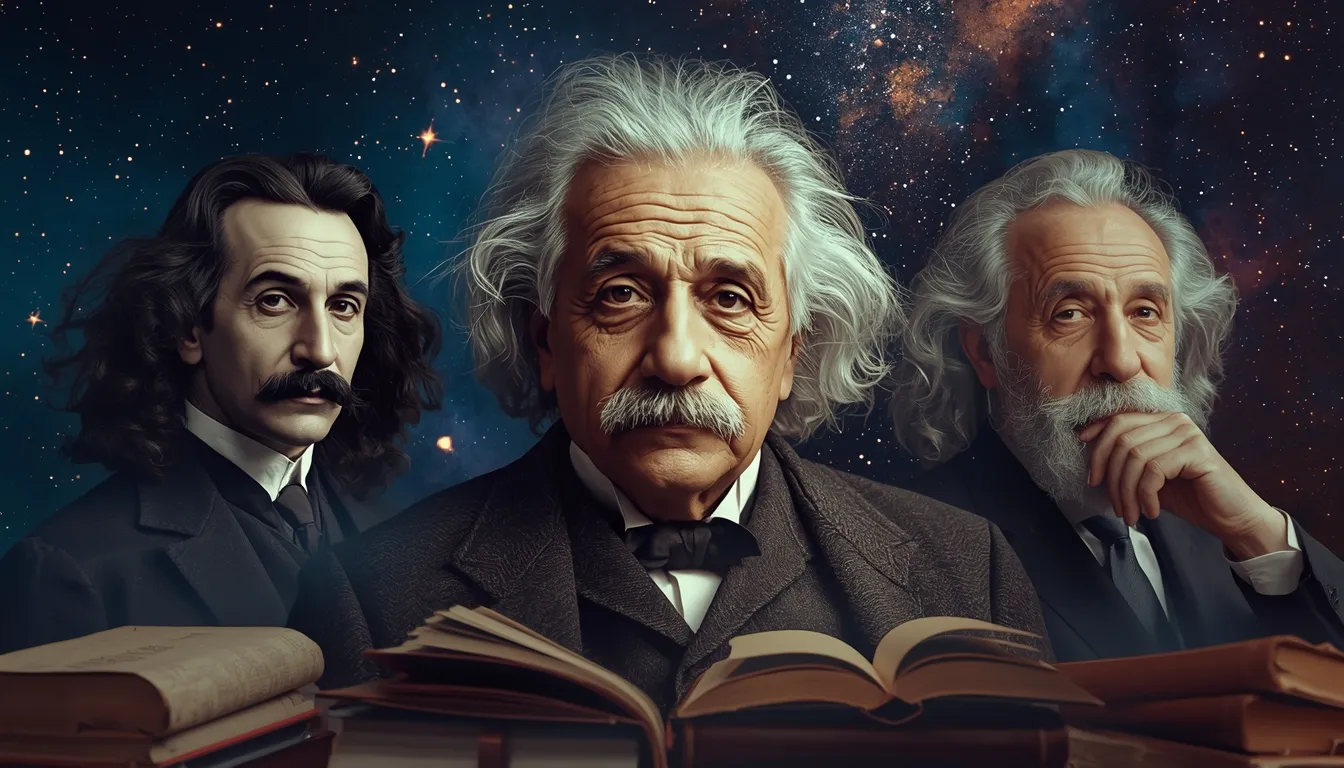
A Brief History of Pantheism
The idea that everything is divine is ancient - but the word "pantheism" is only 300 years old.
Ancient Roots
Heraclitus, the Stoics, and Eastern philosophies like Taoism and Advaita Vedanta express pantheistic ideas.
Spinoza's Ethics
Baruch Spinoza publishes his masterwork arguing "God or Nature" (Deus sive Natura) - they're the same thing.
The Word is Born
John Toland coins "pantheist" to describe those who believe God and the universe are identical.
Romantic Era
Poets like Wordsworth, Whitman, and Emerson celebrate nature as divine. Thoreau goes to Walden Pond.
Scientific Pantheism
Einstein declares belief in "Spinoza's God." Carl Sagan speaks of cosmic awe. Science and spirituality merge.
Growing Movement
As traditional religion declines, many find meaning in pantheism - spirituality without supernatural beliefs.
You're in Good Company
Some of history's greatest minds have embraced pantheistic ideas.
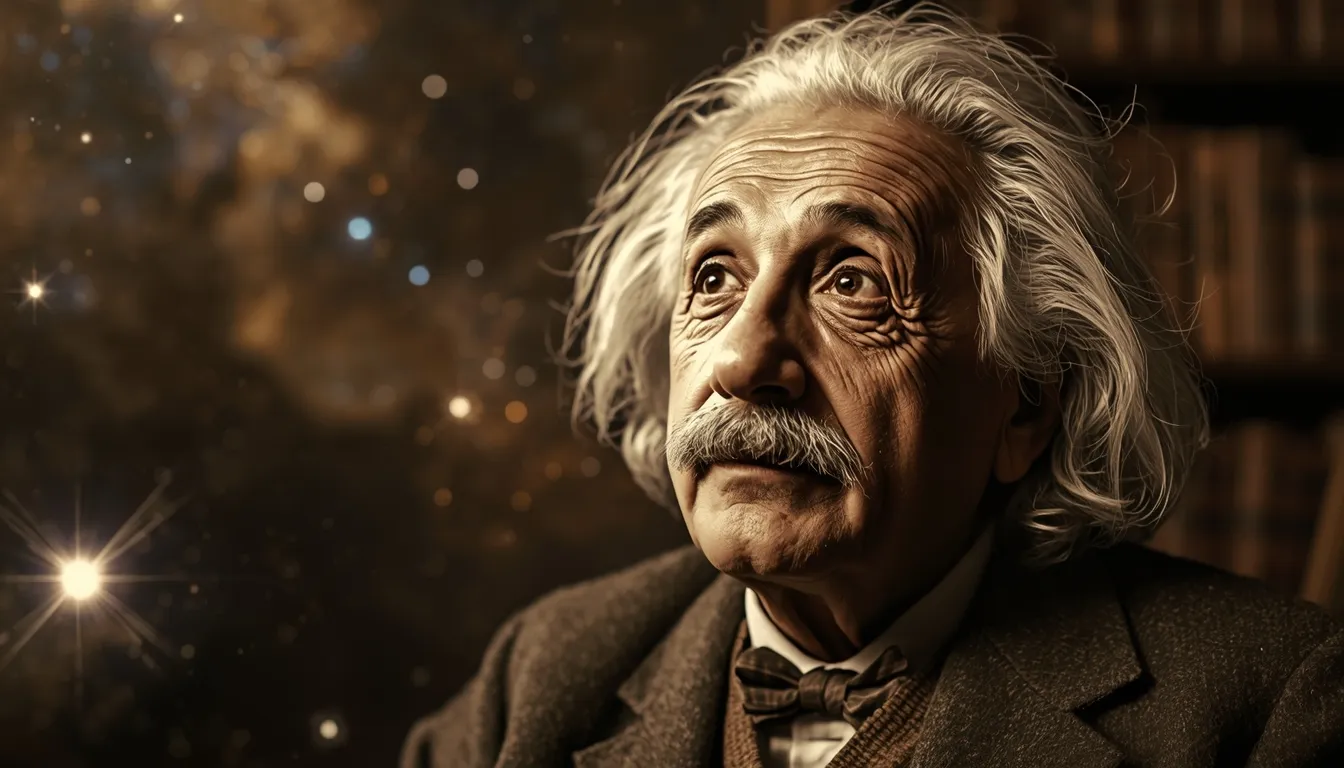
Albert Einstein
"I believe in Spinoza's God"
Physicist, 1879-1955
Carl Sagan
"We are a way for the cosmos to know itself"
Astronomer, 1934-1996
Baruch Spinoza
"God or Nature - they are one"
Philosopher, 1632-1677
Walt Whitman
"I am large, I contain multitudes"
Poet, 1819-1892
Common Questions About Pantheism
Do pantheists pray?
What happens when we die?
Is pantheism a religion?
Can I be a pantheist and still celebrate holidays?
Why use the word "God" at all?
Take the Next Step
Now that you know what pantheism is, find the perfect starting point based on your background and interests.
Find Your PathRelated Reading
Dive deeper into specific topics that interest you.
Found this helpful? Share it with someone who might be curious.
Ready to live it?
See how pantheism can fit into your daily life, or dive deeper with our free guide.
Stay Connected
The Weekly Wonder
Short emails about pantheism, nature, and feeling connected. No spam, no preaching. Just good stuff.