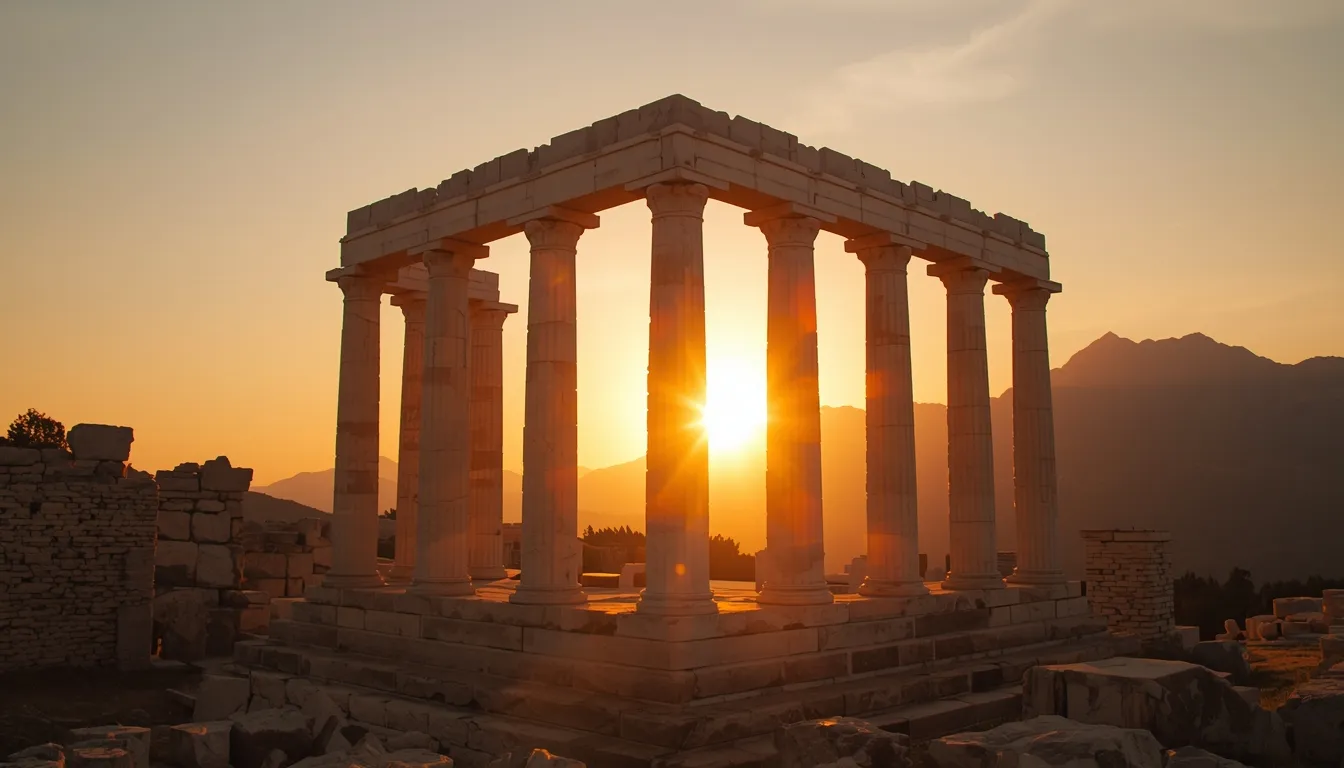
Pantheism vs Stoicism
Ancient wisdom meets cosmic spirituality - more alike than you might think.
The Surprising Overlap
Stoicism is an ancient Greek philosophy focused on virtue, reason, and living in harmony with nature. The Stoics believed in a rational, divine principle (Logos) that permeates all of existence.
Pantheism says God and the universe are one - the cosmos itself is divine. Many Stoics, including Marcus Aurelius, held views that were essentially pantheistic.
| Aspect | Stoicism | Pantheism |
|---|---|---|
| View of God | Logos - rational principle in nature | God IS the universe itself |
| Nature | Divine, rational, to be lived in harmony with | Sacred, the body of God |
| Main Focus | Ethics, virtue, emotional resilience | Metaphysics, spirituality, connection |
| Afterlife | Soul returns to cosmic fire/Logos | Atoms return to the cosmos |
| Practice | Virtue, acceptance, rational living | Awe, gratitude, nature connection |
| Personal God? | No - impersonal rational principle | No - impersonal cosmic totality |
Were the Stoics Pantheists?
Many scholars argue yes - or at least very close. The Stoics believed that God (Zeus, Logos, Nature - they used these interchangeably) was not separate from the universe but was the rational, creative fire that permeates all things.
Marcus Aurelius wrote: "Constantly regard the universe as one living being, having one substance and one soul." That's about as pantheistic as it gets.
Key Similarities
- Nature is divine - Both see the natural world as sacred, not fallen or corrupt
- No personal God - Neither believes in a deity who answers prayers or intervenes
- Interconnection - Both emphasize that we're part of a greater whole
- Death as transformation - Neither fears death as ending; both see it as returning to the source
- Living in harmony - Both advocate aligning yourself with nature's way
Key Differences
- Focus - Stoicism is primarily ethical (how to live well); pantheism is primarily metaphysical (what is real)
- Emotional approach - Stoicism aims for equanimity through detachment; pantheism often embraces awe and wonder
- Historical context - Stoicism is a specific ancient school; pantheism is a broader category spanning cultures
- Determinism - Stoics strongly emphasized fate and acceptance; pantheism is compatible with various views on free will
Can You Be Both?
Absolutely. Many modern pantheists draw heavily on Stoic philosophy. The combination makes sense: Stoicism provides practical ethics and emotional tools, while pantheism provides the metaphysical foundation and spiritual dimension.
If you find yourself drawn to both Marcus Aurelius and Carl Sagan, you're in good company. The Stoic-pantheist combination offers ancient wisdom grounded in a cosmos we now understand far better than the ancients could have imagined.
Famous Stoics with Pantheist Views
- Marcus Aurelius - Roman Emperor, author of Meditations
- Seneca - Roman philosopher and statesman
- Epictetus - Former slave turned influential teacher
- Cleanthes - Wrote the Hymn to Zeus, essentially a pantheist prayer
Explore More Comparisons
See how pantheism relates to other worldviews.