You want depth. You want meaning. You want moments of transcendence and connection. But you can't believe in supernatural beings, miracles, or afterlives. You're too honest for that.
Is spirituality possible without the supernatural? Can you have the depth without the dogma?
Yes. And there's a growing movement of people figuring out how.
What "Secular Spirituality" Means
Secular spirituality is the pursuit of meaning, transcendence, and connection without supernatural beliefs. It takes the valuable parts of spiritual life - awe, wonder, depth, practice - and grounds them in reality rather than mythology.
This isn't "spirituality lite." It's not watered-down religion. It's a different approach entirely - one that doesn't require believing things you can't verify.
What Secular Spirituality Includes
- ✓ Experiences of awe, wonder, and transcendence
- ✓ Practices like meditation, contemplation, and ritual
- ✓ A sense of connection to something larger than yourself
- ✓ Engagement with questions of meaning and purpose
- ✓ Recognition that some things are sacred or worthy of reverence
What It Doesn't Require
- ✗ Belief in gods, spirits, or supernatural beings
- ✗ Faith in miracles or events that violate natural laws
- ✗ Acceptance of scripture as divinely inspired
- ✗ Belief in an afterlife or reincarnation
- ✗ Membership in any religious institution
Why People Want This
The appeal is obvious: you get the benefits of spiritual life without having to believe impossible things.
Many people find that:
- Pure materialism feels empty - "We're just atoms bouncing around" doesn't capture the richness of human experience
- Traditional religion doesn't work - The supernatural claims are too hard to believe
- Something's missing - Secular life can feel flat, lacking depth and meaning
- Spiritual experiences are real - Moments of awe, connection, and transcendence happen, regardless of beliefs
Secular spirituality addresses all of these. It honors the experiences without requiring the beliefs.
What Grounds It
If there's no God, what makes something sacred? If there's no supernatural realm, what's the "something larger" you're connecting to?
Several answers work:
The Universe Itself
The cosmos is 13.8 billion years old, contains trillions of galaxies, and operates according to elegant mathematical laws. You're part of it - made of stardust, connected to everything that exists. That's not nothing. That's worthy of awe.
The Web of Life
You're connected to every living thing on Earth through shared ancestry. The biosphere is a vast, interconnected system that you're embedded in. This web of life is something larger than yourself - and it's real.
Human Connection
Other minds, other experiences, the accumulated wisdom of humanity - you're part of something that transcends your individual existence. Culture, community, love - these create meaning that goes beyond any one person.
Consciousness Itself
The fact that experience exists at all is mysterious and remarkable. The universe became aware of itself through beings like you. That's profound, regardless of how it happened.
Practices That Work
Secular spirituality isn't just ideas - it's practice. Some approaches:
Meditation
You don't need to believe anything supernatural to meditate. Just sit, breathe, observe your mind. The benefits are well-documented and don't require faith.
Time in Nature
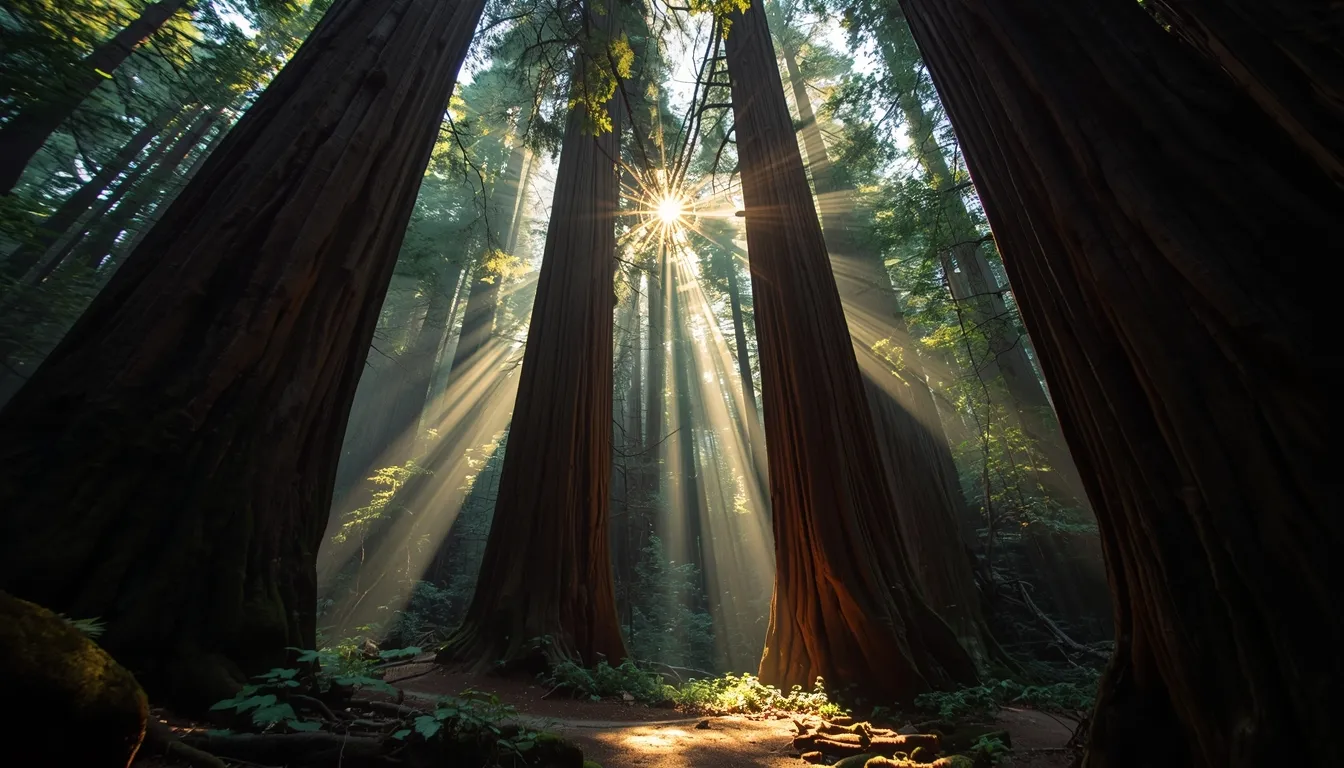
The natural world reliably triggers experiences of awe and connection. No beliefs required - just presence and attention.
Contemplation
Reflecting on big questions - meaning, mortality, connection - is a spiritual practice. You don't need answers; the questioning itself has value.
Ritual
Humans need ritual - marking transitions, honoring what matters, creating sacred time. You can create secular rituals that serve these functions without supernatural content.
Community
Sharing the journey with others deepens it. Secular spiritual communities exist - from meditation groups to philosophical societies to nature-based gatherings.
Pantheism as a Framework
One framework that many secular spiritual seekers find useful is pantheism - the view that the universe itself is what's sacred.
Pantheism doesn't require supernatural beliefs. It just says: existence is worthy of reverence. The cosmos, nature, the web of life - these are what people have always been reaching for when they used the word "God."
You don't have to call yourself a pantheist. But if you're looking for a framework that honors spiritual experience without requiring supernatural beliefs, it's worth exploring.
You're Not Alone
Secular spirituality is growing. More people are leaving traditional religion but still seeking depth and meaning. More people are finding that pure materialism doesn't satisfy.
You're part of a movement - even if it doesn't have a name, even if there's no church to join. People throughout history have sought the sacred without supernatural beliefs. You're continuing that tradition.
The Depth Is Real
Here's the key insight: the depth you're seeking is real. The experiences of awe, connection, and transcendence - these aren't illusions. They're genuine encounters with aspects of reality that matter.
You don't need to believe impossible things to access them. You just need to pay attention, practice presence, and stay open to wonder.
Spirituality isn't about believing the right things. It's about experiencing life deeply.
You can do that without faith. You can do that right now.