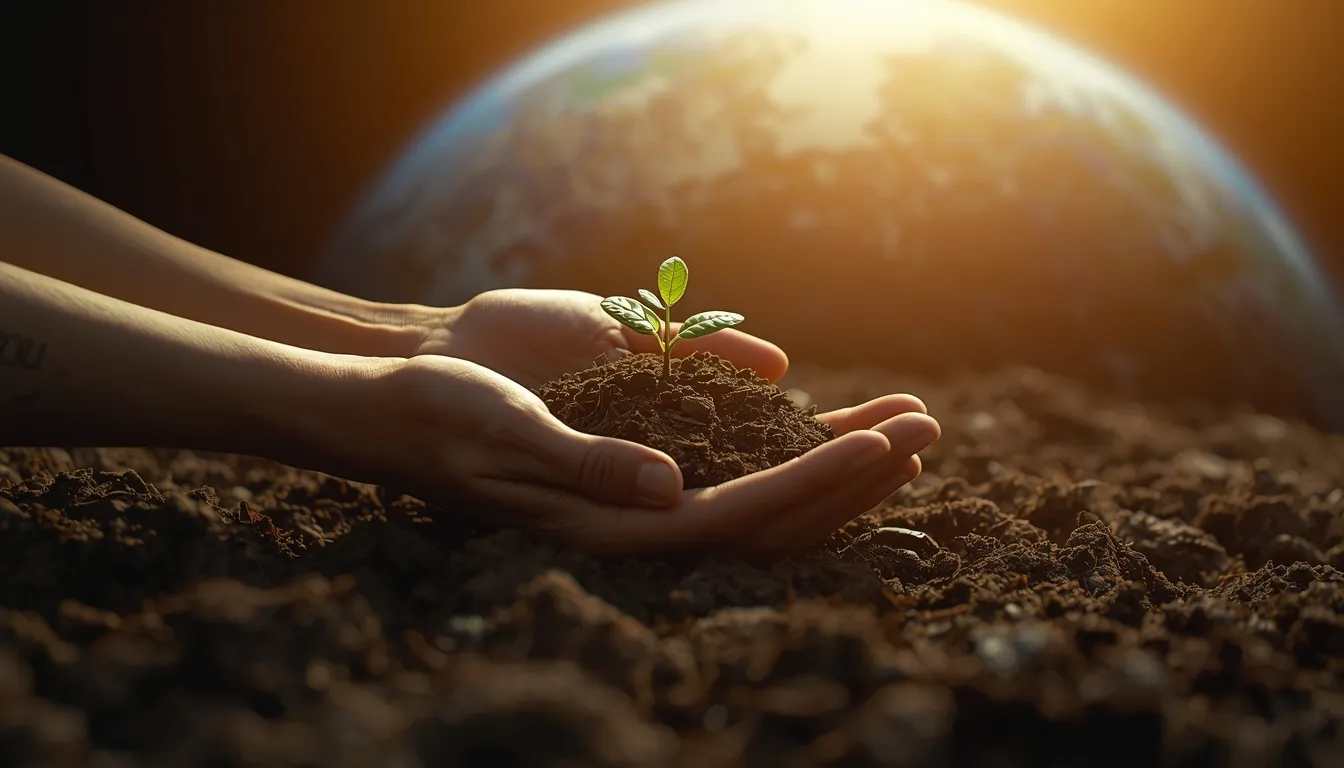

Earth Day arrives every April 22nd, and billions of people pause to consider our planet. For pantheists, though, the day carries special significance. When you believe the Earth is literally sacred - part of the divine whole - environmental care isn't just good policy. It's spiritual practice.
Why Earth Day Matters to Pantheists
Most environmental movements make practical arguments: we need clean air to breathe, clean water to drink, a stable climate to grow food. These arguments are true and important.
Pantheism adds another layer: the Earth isn't just useful - it's sacred. Not because a God declared it so, but because it's part of the divine reality that is the universe. Harming the Earth isn't just unwise; it's a kind of desecration.
Every Day Is Earth Day
For pantheists, Earth Day isn't a special occasion - it's a reminder of what should be true every day. The sacredness of the planet doesn't turn on and off based on the calendar.
This perspective can be both inspiring and challenging:
- Inspiring: Every interaction with nature becomes an opportunity for connection and reverence
- Challenging: It's hard to maintain awareness of the sacred in daily life, surrounded by concrete and screens
Earth Day serves as an annual reset - a chance to reconnect with what pantheists try to remember year-round.
Pantheist Environmental Ethics
If the Earth is sacred, how should we treat it? Pantheists generally embrace:
- Intrinsic value: Nature has worth beyond its usefulness to humans
- Interconnection: Harming one part of the ecosystem harms the whole
- Humility: Humans are part of nature, not above it
- Long-term thinking: We're responsible to future generations and other species
- Reverence: Approaching nature with awe rather than just utility
Practical Pantheist Environmentalism
Belief without action is incomplete. Here's how pantheists often translate their worldview into practice:
Daily Choices
- Reducing consumption and waste
- Choosing sustainable products when possible
- Eating lower on the food chain
- Minimizing carbon footprint
- Supporting conservation efforts
Deeper Engagement
- Spending time in nature regularly
- Learning about local ecosystems
- Participating in restoration projects
- Advocating for environmental policy
- Teaching children to value the natural world
The Spiritual Dimension
What makes pantheist environmentalism different from secular environmentalism? The spiritual dimension.
A secular environmentalist might pick up litter because it's the right thing to do. A pantheist might do the same thing as an act of devotion - caring for something sacred.
This doesn't make pantheist environmentalism better or more effective. But it does make it more personally meaningful for those who hold the worldview. Environmental action becomes spiritual practice.
Earth Day Practices for Pantheists
How might a pantheist observe Earth Day?
- Nature immersion: Spend extended time outdoors, fully present
- Gratitude practice: Reflect on what the Earth provides - air, water, food, beauty
- Service: Participate in a cleanup, tree planting, or restoration project
- Learning: Study an aspect of ecology or environmental science
- Commitment: Choose one new sustainable practice to adopt
- Community: Connect with others who share environmental values
- Reflection: Consider your relationship with the Earth and how to deepen it
Beyond Guilt
Environmental awareness can easily become environmental guilt. We're all complicit in systems that harm the planet. Pantheism offers a different emotional framework.
Instead of guilt (which often leads to paralysis), pantheism emphasizes love. You care for the Earth not because you're bad if you don't, but because it's sacred and you're part of it. Love motivates more sustainably than guilt.
The Long View
Pantheism also offers perspective. The Earth has existed for 4.5 billion years. Life has survived five mass extinctions. The planet will continue long after humanity.
This isn't an excuse for inaction - we should absolutely work to prevent the suffering that environmental destruction causes. But it is a reminder that the Earth is resilient, and our role is to be good participants in its ongoing story, not saviors of a fragile victim.
Earth Day Every Day
As Earth Day comes and goes each year, pantheists carry its message forward. The Earth is sacred. We're part of it. Caring for it is caring for ourselves, for each other, and for the divine reality we all share.
That's worth remembering more than once a year.